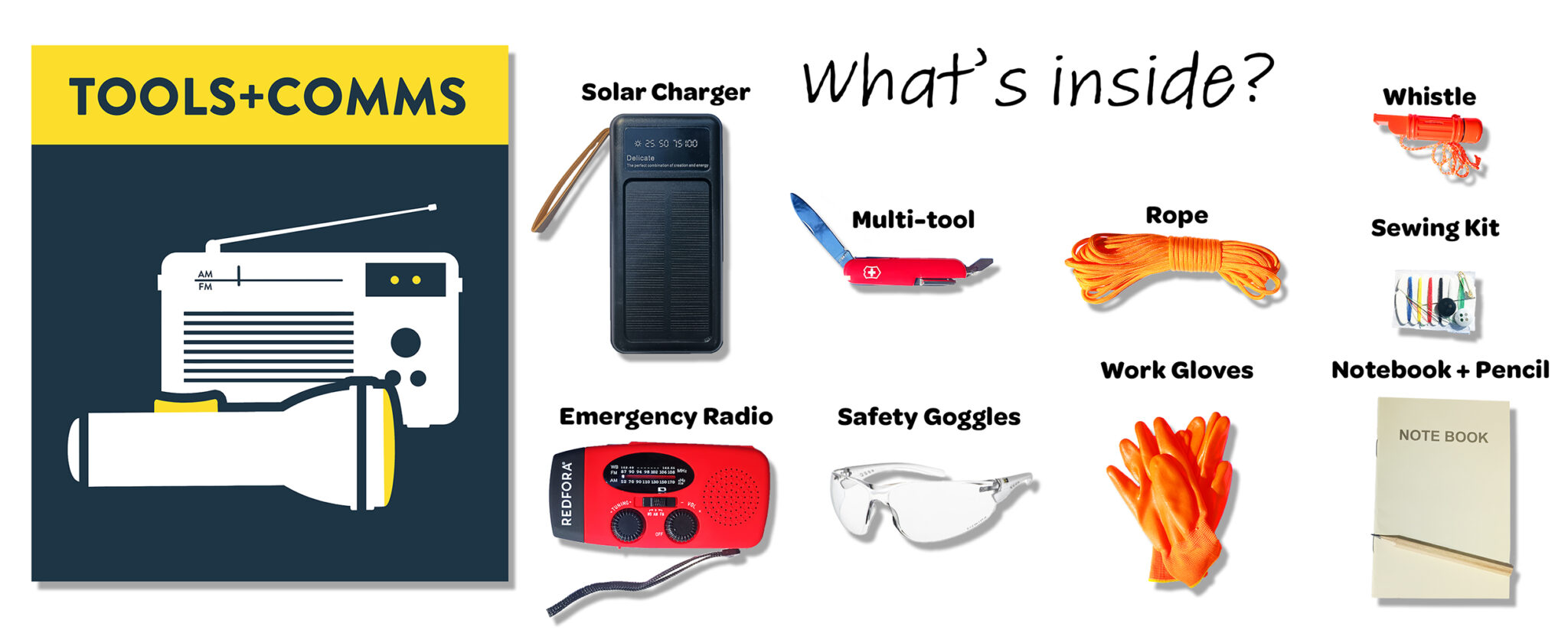
Provides reliable backup power for smartphones and tablets during emergencies. Comes with built in cables that are compatible with most small devices. The durable, water-resistant construction works in extreme conditions with multiple charging ports to power several devices simultaneously. The power bank offers 1,600+ charging cycles for long-term reliability.
When power and cell service fail during an emergency, turn the hand crank for one minute to generate power, then tune to NOAA weather radio frequencies for official emergency updates and weather alerts. Use the built-in flashlight for essential lighting and the USB port to provide emergency phone charging when needed. Continue hand-cranking periodically to maintain power – one minute of cranking provides 20+ minutes of radio time and 30+ minutes of light. This is a keep emergency device because it works independently of electrical power, solar conditions, or cell towers.
The large blade handles cutting tasks from food preparation to creating kindling, while the can and bottle openers provide access to canned goods and beverages when kitchen tools are unavailable. The saw cuts through small branches for shelter building, and scissors handle precise cutting needs. For first aid, tweezers remove splinters and debris, while the reamer’s sewing eye allows emergency repairs to clothing or gear. Both screwdrivers (flathead and Phillips) enable equipment repairs and adjustments. The fish scaler aids in food preparation if fishing becomes necessary, and the corkscrew opens wine or creates small holes in materials.
Safety glasses provide essential eye protection during emergencies when debris, dust, or flying particles pose vision threats. Wear them whenever cleaning up debris at a disaster site or using tools for emergency repairs. The glasses also provide some protection against wind-blown particles during severe weather.
Nylon rope can be used for securing shelters, creating guy lines for tents, and tying down tarps or equipment during severe weather. Its strength and stretch make it ideal for rescue operations like creating makeshift harnesses, securing injured persons, or stabilizing an injury in a rigid splint. Use it to hang food away from animals, create clotheslines for drying wet gear, or lash together materials for emergency shelters. Cutting into smaller lengths may prove more than one long rope.
Nitrile work gloves provide hand protection during emergency cleanup and rescue operations. They protect against cuts and punctures when handling debris, broken glass, or sharp metal after disasters. Use them during first aid to prevent infection when treating wounds, or when handling potentially contaminated water or surfaces. The chemical-resistant material shields hands from hazardous substances, cleaning chemicals, or contaminated materials while maintaining good grip and dexterity. Unlike latex, nitrile gloves won’t cause allergic reactions and remain flexible in cold weather.
This multi-functional emergency tool combines a loud whistle, compass, signaling mirror, and small storage compartment in one high-visibility orange device. Use the whistle to alert rescuers to your location – it’s especially important in high-debris and smoke situations where shouting could pull irritants into your lungs. The compass provides navigation when GPS fails, while the mirror signals aircraft or distant rescuers using reflected sunlight. The small storage compartment is suitable for emergency medications or matches.
Use to mend ripped clothing, repair torn tents or tarps that provide crucial shelter, or fix backpack straps and equipment.
Before an emergency, write down essential information including emergency contact numbers for family members, local authorities, insurance companies, and medical providers, as well as important account numbers, policy numbers, and medical information like allergies and current medications. Include your family’s emergency meeting locations, evacuation routes, and backup communication plans. Document serial numbers for important equipment, photos of valuable items for insurance purposes, and any special instructions for family members with medical conditions or disabilities. During an emergency, use the notebook to record important information like damage assessments, conversations with officials, expenses for insurance claims, and locations of family members.
What else is in your kit?