Tube Tent
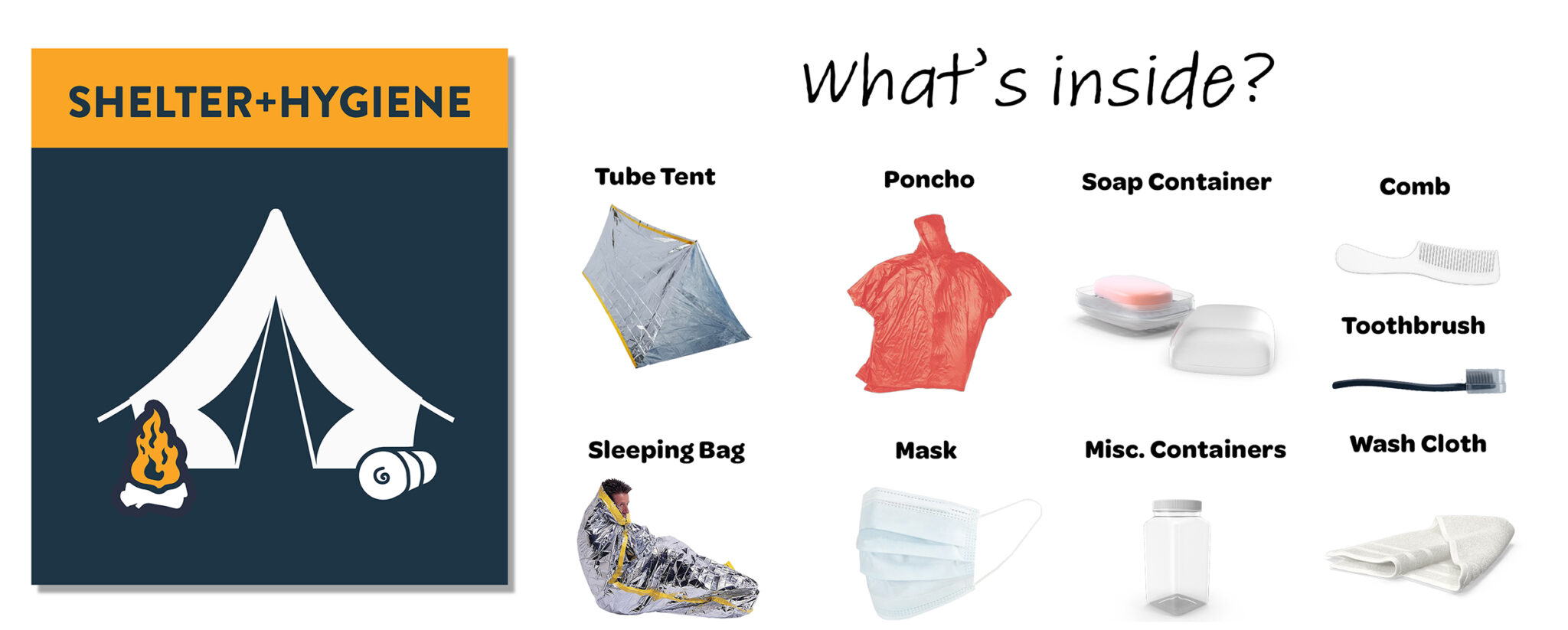
To use, simply tie the rope between two trees, poles, or stakes about 6-8 feet apart and 3-4 feet high. Run the rope through the tube tent sleeve along the top. Pull out the bottom corners of the tent and position them at roughly a 45-degree angle from the tent. Add weights at the corners to maintain the shape. The reflective mylar material can serve additional purposes beyond shelter, such as an emergency signaling mirror, ground signal for aerial rescue, emergency blanket for warmth, or water collection device.
Sleeping Bag
The primary purpose of the emergency sleeping bag is to prevent hypothermia. Put on dry clothing if available, as wet clothes accelerate heat loss. If outside, add insulation underneath like pine needles, leaves, or any available padding as contact with the ground will accelerate heat loss. Get in fully clothed, including hat and gloves, keeping the reflective side facing inward toward your body. Seal the opening tightly around your neck to trap warm air, but leave a small opening near your face to prevent condensation buildup. Move periodically inside the bag to generate heat and keep blood circulating. If you start shivering, don’t fight it – your body is generating crucial heat.
Poncho
Emergency ponchos provide versatile protection beyond just rain coverage. Wear it over all clothing and gear to stay dry, ensuring the hood covers your head completely since most body heat escapes through the head and neck. The poncho can double as an emergency shelter by tying corners to trees or stakes to create a lean-to or A-frame shelter. Use it as a ground tarp to stay dry when sitting or sleeping, or fashion it into a water collection system by creating a depression to catch rainwater.
Mask
3-ply masks provide basic filtration against dust, debris, and airborne particles during emergencies like fires, earthquakes, or chemical spills. Ensure the mask covers both nose and mouth completely. Replace masks when they become damp, damaged, or heavily soiled. Wet masks lose effectiveness and can harbor bacteria. While helpful for basic protection, standard 3-ply masks won’t protect against toxic gases or heavy smoke. These are meant to provide basic protection as you evacuate to a safer area.
Soap Container
Add a quality antibacterial or antimicrobial bar soap and ensure it fits securely in the waterproof container to prevent moisture damage. A standard bar of soap will last an individual 25-50 days with regular handwashing. In emergencies, prioritize handwashing after using the bathroom, before eating, and after handling contaminated materials. Replace the bar soap every 2-3 years even if unused, as soap can deteriorate and lose its effectiveness over time.
Misc. Container
Empty 3 fl oz containers can be filled with essential medications, travel-sized shampoo, or liquid soap for personal hygiene needs. They also serve as waterproof storage for matches or small electronic items like SD cards and USB drives carrying important files and personal information.
Toothbrush
If not being used for oral hygiene, toothbrush can serve to scrub small items clean, remove corrosion from metal tools, or cleaning hard-to-reach crevices in equipment. Use it to clean wounds by gently scrubbing away dirt and debris before bandaging, or to apply antiseptic solutions precisely to small areas.
Wash Cloth
Beyond basic cleaning, washcloth can serve as a makeshift bandage or wound dressing when sterile materials aren’t available, and can apply pressure to control bleeding from cuts. Use it as a water filter by straining out large debris and particles before purification, or soak it to create a cooling compress for injuries, fever, or heat exhaustion. The cloth functions as a pot holder when handling hot cookware, or as padding to prevent blisters from ill-fitting shoes or gear.